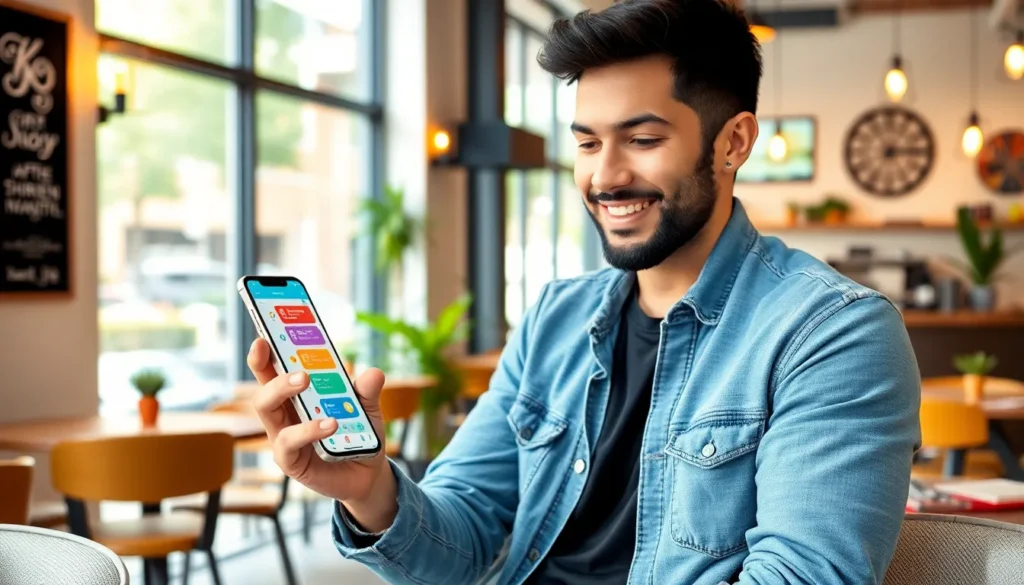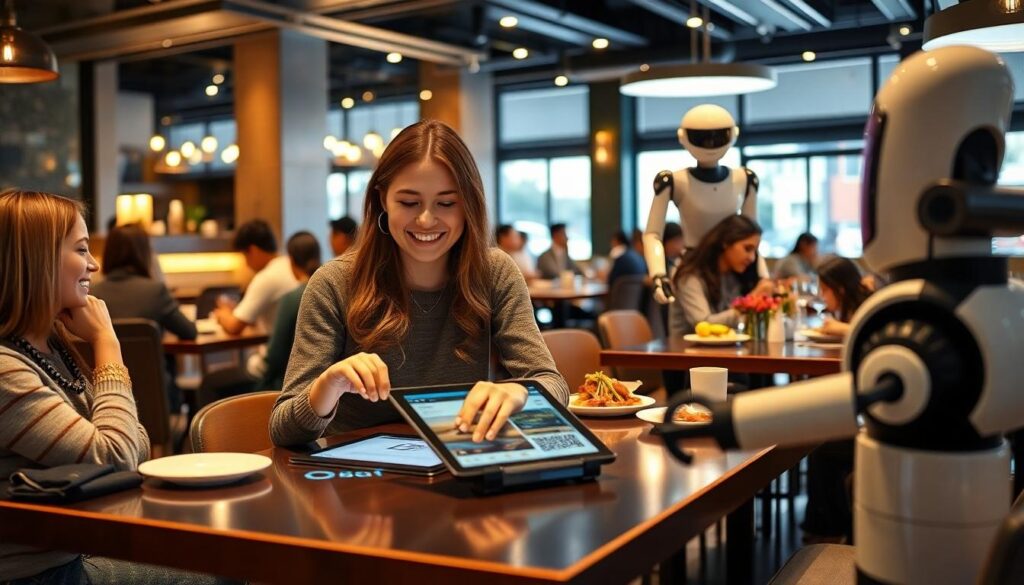
In today’s fast-paced world, technology’s taken a seat at the table in restaurants, and it’s not just for show. Diners now expect more than just great food; they want a dining experience that’s as smooth as butter on hot toast. From smart menus to AI-driven recommendations, tech is transforming how restaurants operate and how customers enjoy their meals.
Overview of Technology in Restaurants Trends
Technology significantly influences the restaurant industry. Many establishments embrace digital menus to enhance customer interaction. Smart menus allow diners to view photos, read descriptions, and learn about ingredients instantly. AI-driven recommendations personalize the dining experience, suggesting dishes based on previous orders and preferences.
Contactless payments have risen in popularity, facilitating quick transactions and minimal contact. Many patrons prefer paying through mobile apps, which streamline the checkout process. Robotics, particularly in food preparation and delivery, also gain traction, increasing efficiency and consistency.
Tabletop tablets are becoming common, enabling guests to place orders directly. These devices reduce wait times and improve order accuracy. Additionally, restaurants leverage QR codes for easy menu access, minimizing physical contact and paper waste.
Reservation platforms integrated with customer relationship management systems optimize table management. Such systems enable restaurants to track customers and offer personalized experiences. Delivery and takeout services also integrate advanced logistics tools, improving order tracking for customers.
Moreover, customer feedback systems utilize technology to gather instant reviews and ratings. Data analytics plays a crucial role in identifying trends and customer preferences, allowing establishments to adapt their menus and services accordingly. Sustainability trends are evident as well, with restaurants adopting tech solutions for inventory management to reduce waste.
Innovative solutions continue to shape how restaurants operate, connecting with customers effectively. As the industry evolves, technology will remain a central component in enhancing the overall dining experience.
Impact of Technology on Culinary Experience
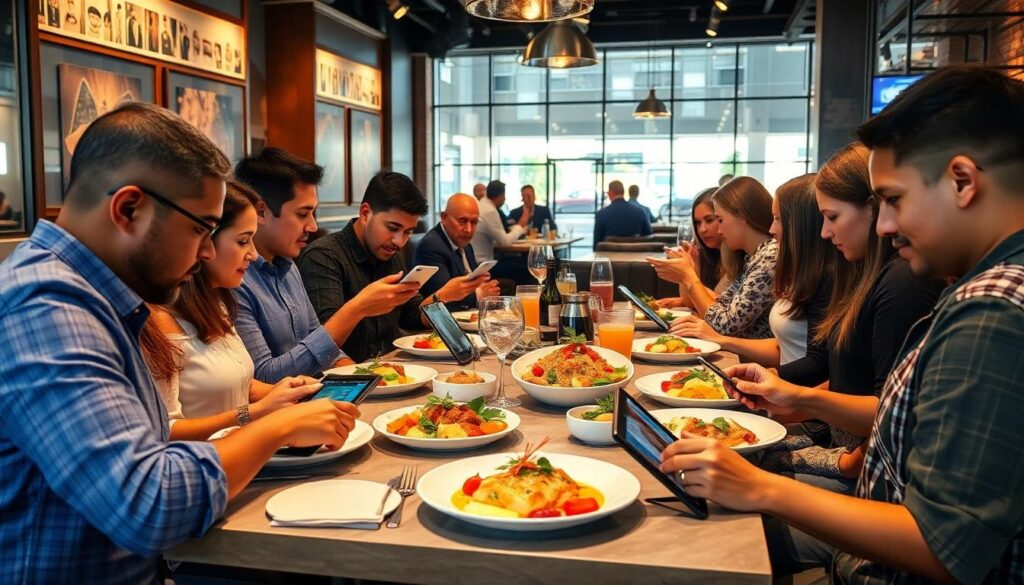
Technology significantly transforms the culinary experience. Restaurants use innovative tools to create memorable dining moments for guests.
Enhanced Customer Engagement
Engagement levels soar with interactive technology. Diners enjoy tabletop tablets, which allow them to customize orders and access the menu at their fingertips. Customers also appreciate the immediacy of QR codes, quickly pulling up digital menus without waiting. This convenience fosters a more enjoyable experience as patrons can view photos and read ingredient details in real-time. Social media integration encourages sharing experiences, building a community around the restaurant. Feedback systems facilitate direct interaction, allowing guests to communicate preferences instantly. Through these methods, restaurants enhance communication, creating a welcoming atmosphere and fostering loyalty.
Personalization Through Data
Personalization thrives through the smart use of data analytics. Restaurants analyze customer preferences to deliver tailored recommendations, making each visit unique. AI systems play a critical role, suggesting dishes based on previous orders and tastes. Guests also benefit from personalized promotions, enhancing their overall satisfaction. This targeted marketing approach increases the likelihood of repeat visits. As customers receive a curated experience, they feel valued and more connected to the brand. Analytics not only refine menu offerings but also adapt to seasonal trends, ensuring no guest feels overlooked. By leveraging data, establishments remain in tune with their clientele, driving loyalty and enjoyment.
Streamlining Operations with Technology
Technology streamlines restaurant operations, improving efficiency and enhancing customer experience.
Inventory Management Solutions
Cloud-based inventory management systems automate tracking of stock levels and order replenishments. Real-time data analytics provide insights into ingredient usage, allowing restaurants to minimize waste. Automated alerts notify staff when inventory falls below set thresholds, ensuring optimal stock levels. These solutions also support menu planning by indicating which items may require adjustments based on available ingredients. Enhanced transparency fosters accountability in inventory handling, contributing to overall cost reduction.
Staff Efficiency Tools
Mobile scheduling applications enable staff to manage shifts and request time off with ease. These tools enhance staff communication, allowing quick updates regarding changes in schedules or special events. Performance tracking software assesses employee productivity, promoting accountability and recognition. Many establishments utilize training management systems to streamline new hire onboarding, ensuring consistent service quality. Integration of these technologies leads to increased employee satisfaction and improved customer interactions.
Innovations in Payment Processing
Innovations in payment processing significantly enhance customer convenience and operational efficiency in restaurants.
Contactless Payments
Contactless payment technology has transformed transaction methods. Diners now take advantage of contactless cards and mobile wallets, allowing them to pay quickly and securely. This payment option minimizes physical interaction, aligning with health safety standards while speeding up service during busy hours. Restaurants benefit through increased table turnover rates, as customers appreciate the seamless checkout experience. Statistics show that 50% of consumers prefer contactless payments for their speed and convenience, which drives adoption across the industry. Enhanced security features also reduce fraud, giving both diners and restaurants peace of mind.
Mobile Payment Applications
Mobile payment applications revolutionize how patrons manage their dining expenses. Applications enable customers to place orders and pay directly through their smartphones, enhancing the overall dining experience. Popular apps integrate loyalty programs, providing incentives like discounts and rewards, incentivizing return visits. In addition, diners can split bills easily, eliminating awkward conversations at the table. Restaurants gain valuable insights into customer behavior through app usage, empowering them to tailor promotions and improve service. The versatility of mobile payment apps strengthens relationships between restaurants and their patrons, fostering loyalty and increasing repeat business.
The Role of Social Media in Restaurant Trends
Social media influences restaurant trends significantly. It acts as a powerful marketing tool, enabling restaurants to reach wider audiences and engage customers.
Marketing Strategies
Leading restaurants leverage platforms like Instagram and Facebook for visual storytelling. High-quality photos of dishes attract potential diners. Promotions and special events advertised on these platforms often boost foot traffic. Engaging content encourages shares, creating organic reach among peer networks. Seasonal menu changes highlighted through appealing visuals can drive interest, making diners eager to try new offerings. Tagging local influencers can enhance visibility, increasing credibility and curiosity among followers. Data shows that 80% of consumers seek recommendations from social media, validating its role as a contemporary marketing strategy.
Customer Feedback and Interaction
Online platforms foster direct communication between diners and restaurants. Customer reviews on platforms such as Yelp and Google impact perception and potential visits. Timely responses to feedback demonstrate commitment to customer satisfaction. Encouraging guests to leave reviews can enhance visibility in search results. User-generated content enhances authenticity, allowing customers to share their experiences. Interactive polls and questions on social media generate engagement, offering insights into preferences. Engaging with customers online helps strengthen loyalty, showing diners that their opinions matter.
As technology continues to evolve the restaurant landscape it’s clear that the integration of innovative solutions is vital for success. Diners today expect not just delicious meals but also a streamlined experience that enhances their overall enjoyment. From digital menus to contactless payments restaurants are embracing these advancements to meet customer demands.
The focus on personalization and efficiency through data analytics and automation is reshaping how restaurants operate. Engaging with customers via social media and utilizing feedback mechanisms fosters loyalty and builds a community around dining experiences.
With sustainability trends on the rise technology plays a crucial role in minimizing waste and optimizing resources. As these trends develop restaurants that adapt will not only thrive but also redefine the future of dining.